
Mazatepec mushroom
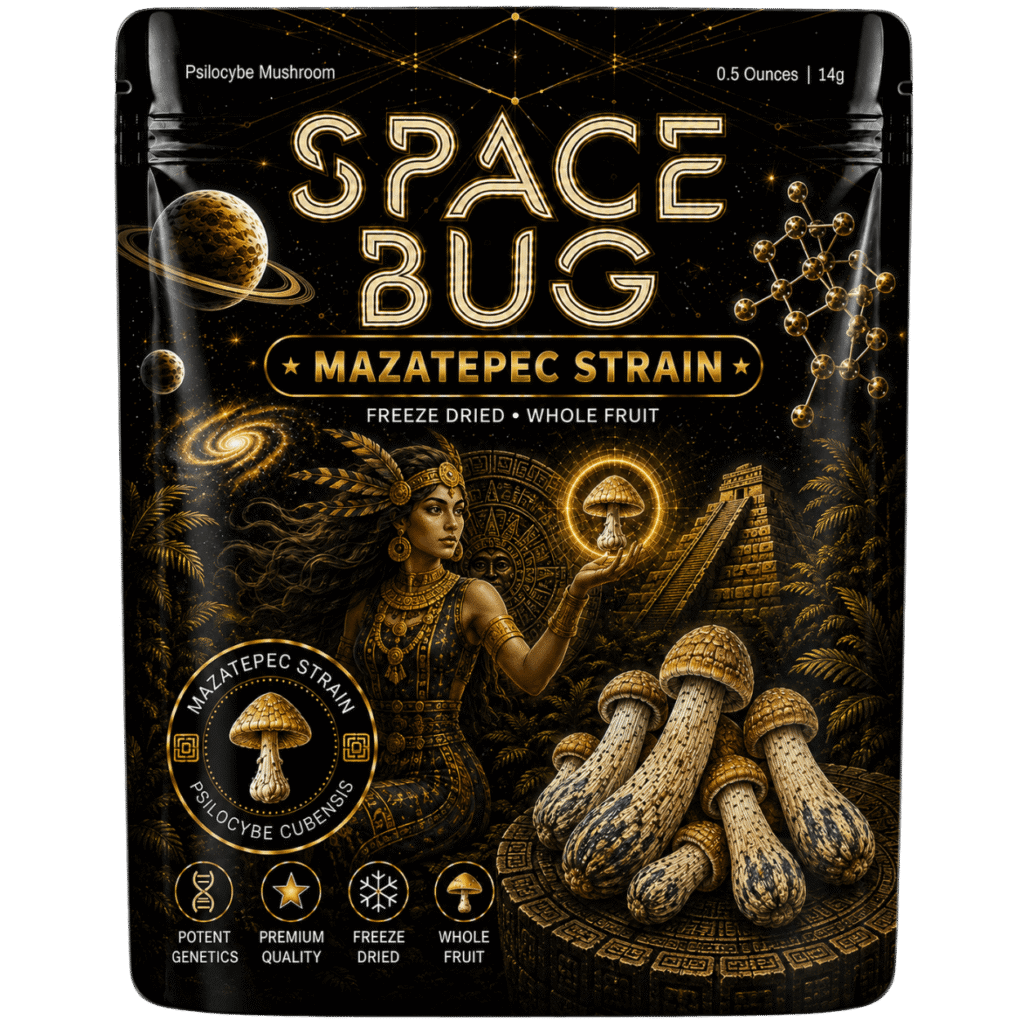
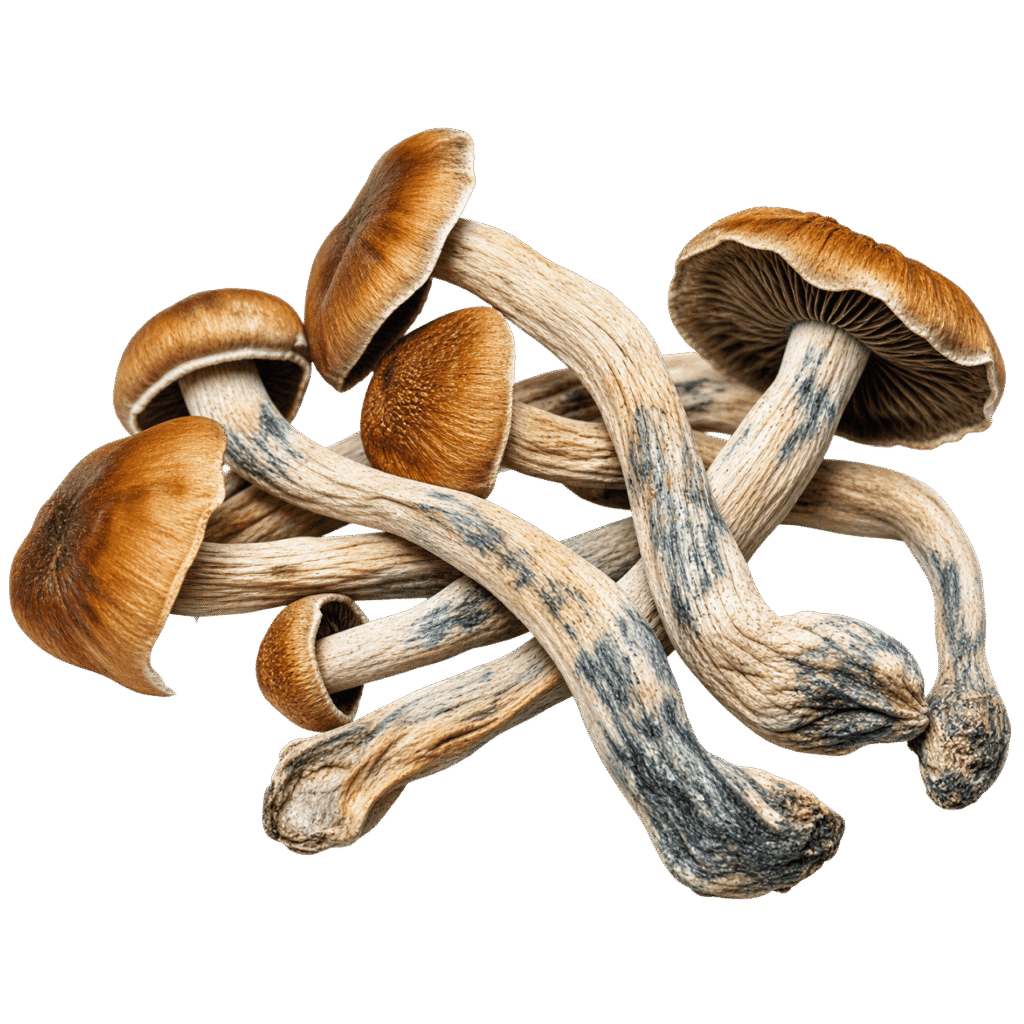
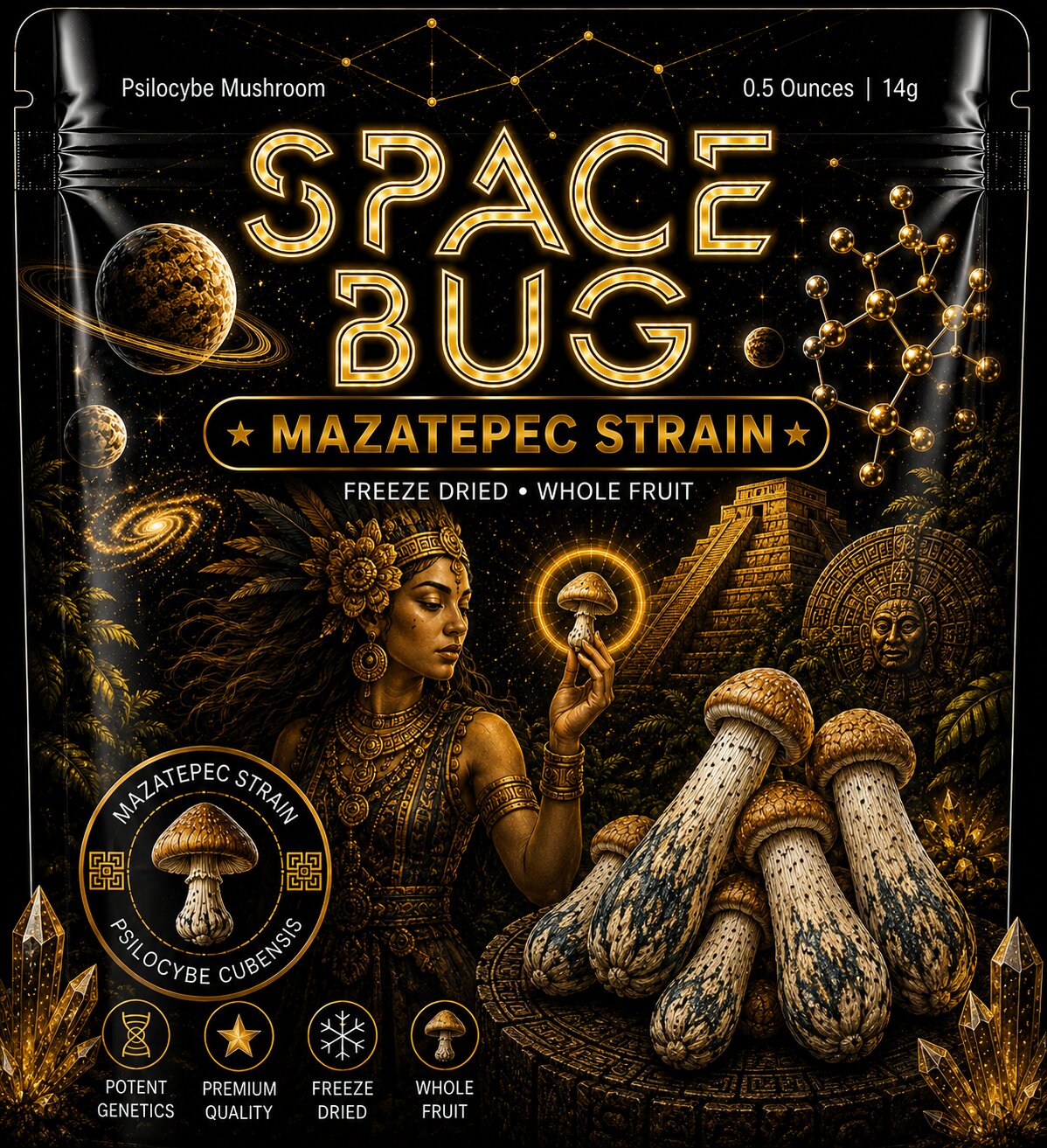
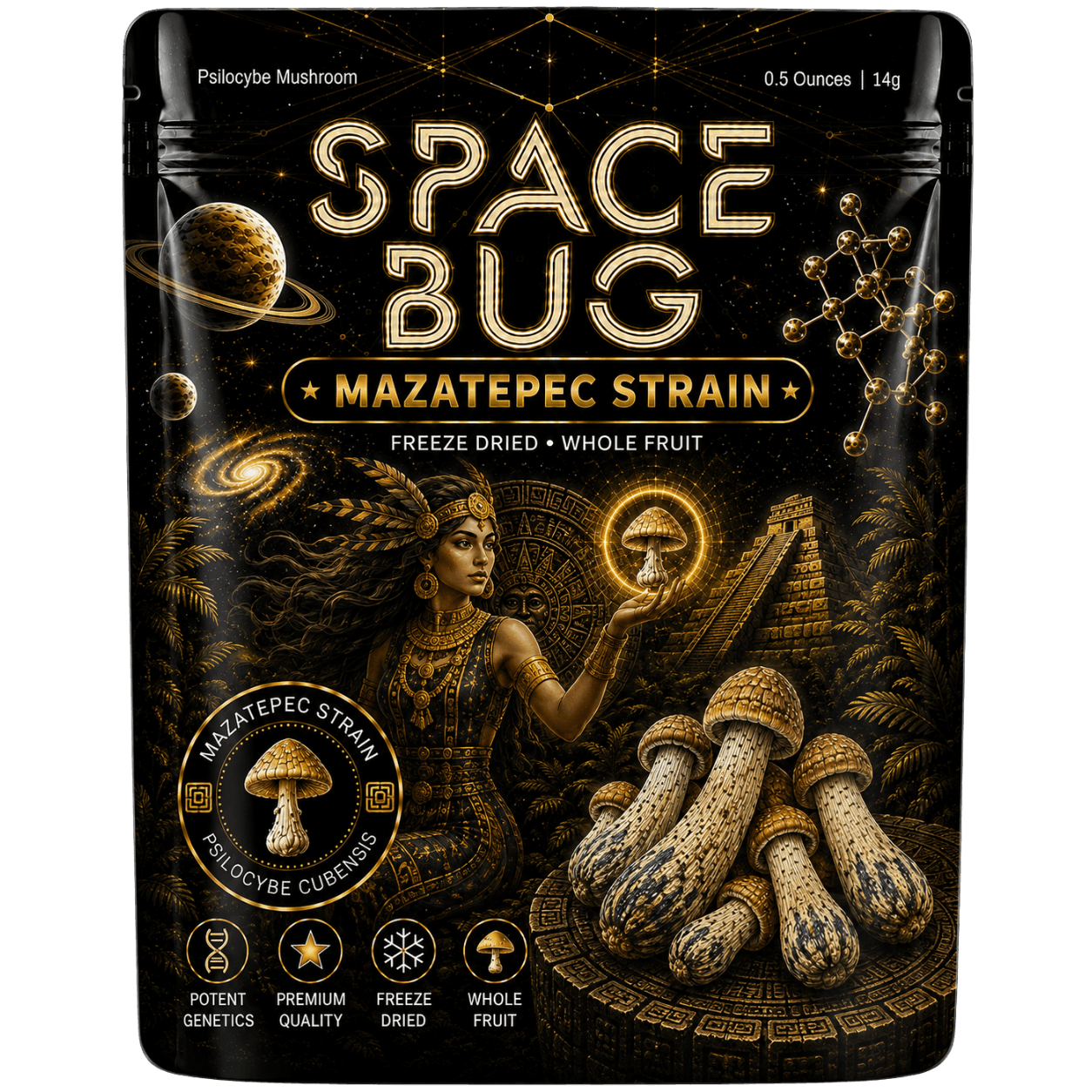
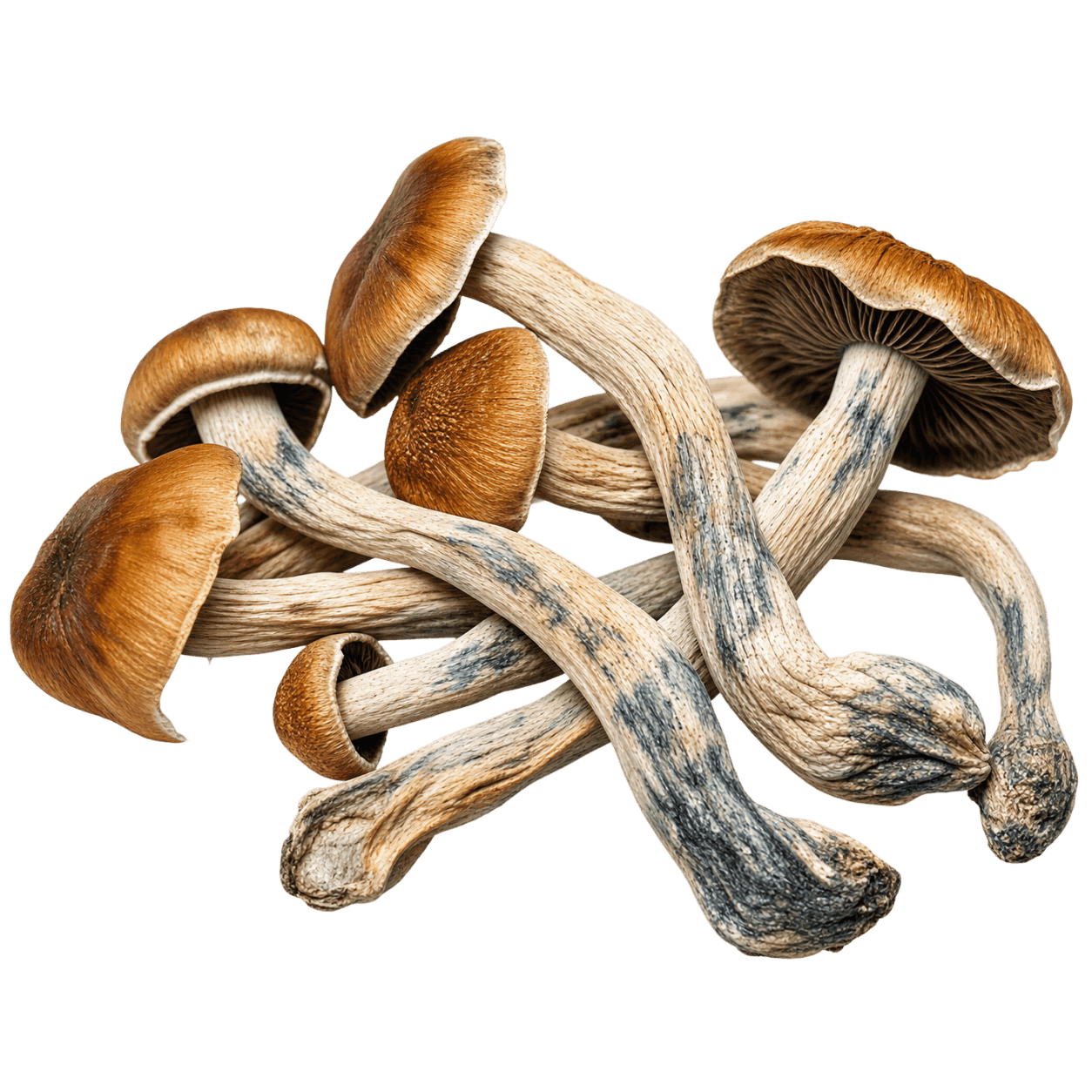
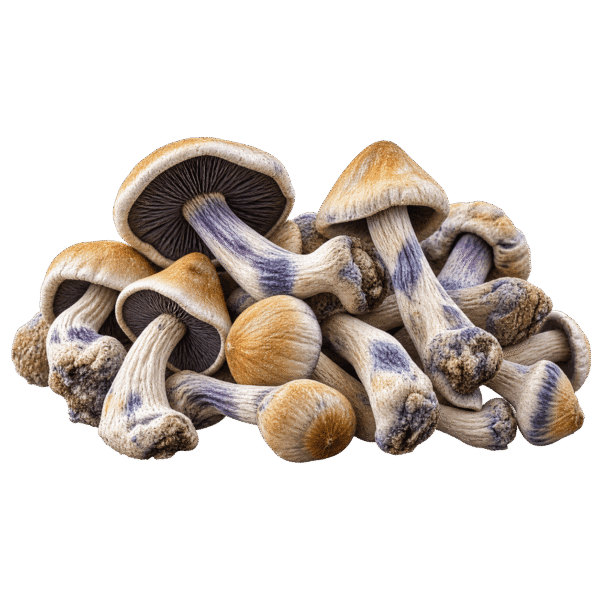
The Mazatepec mushroom, also commonly written as Mazatapec, is a Psilocybe cubensis lineage associated with southern Mexico and the Mazatec region of Oaxaca. It is generally recognized by its caramel to chestnut-brown caps, comparatively slender pale stems and blue-green bruising after physical handling.
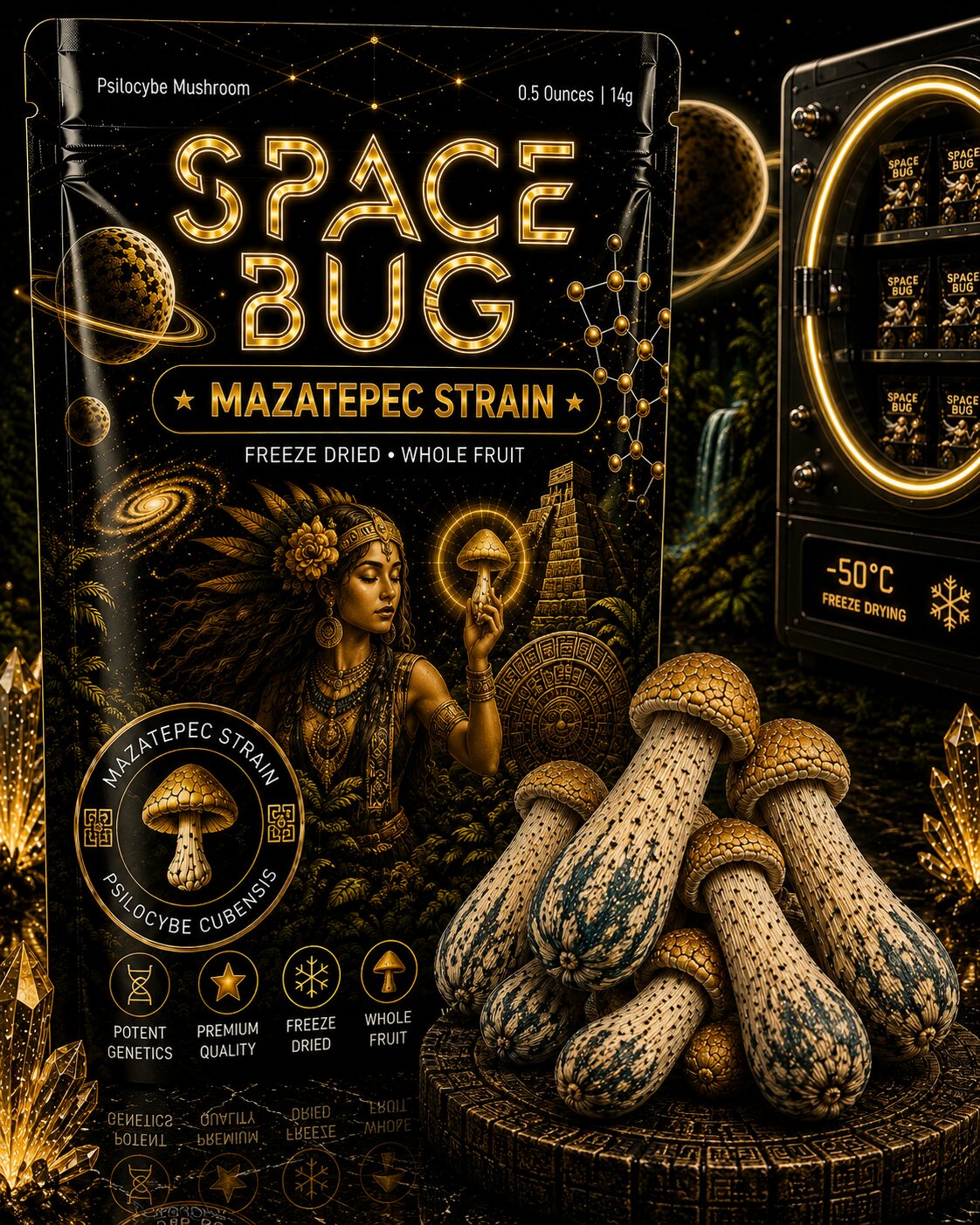
Freeze drying removes very high levels of moisture while helping the whole fruit retain much of its recognizable physical structure. Therefore, a freeze-dried Mazatepec mushroom develops a lightweight, porous and crisp texture while its cap and stem remain clearly visible.
What is a Mazatepec mushroom?
Mazatepec is generally classified within Psilocybe cubensis and is associated with Mexico, particularly the Mazatec region of Oaxaca. Cultivated stocks carrying the name have circulated internationally for decades.
The variety is also frequently spelled Mazatapec. In fact, that spelling is particularly common within mushroom cultivation communities, while Mazatepec appears as an alternative spelling.
Unlike modern hybrid varieties, Mazatepec is usually presented as a geographically associated cubensis lineage rather than the result of a documented cross between two named cultivars.
However, mushroom strain names are not maintained through a formal genetic registry. Consequently, different cultivated lines sold under the Mazatapec or Mazatepec name may not be genetically identical.
Psilocybe cubensis
Mexico
What are Mazatepec mushroom effects like?
Like other Psilocybe cubensis varieties, Mazatepec mushrooms contain psychoactive compounds including psilocybin and psilocin. These compounds can alter visual perception, sensory processing, mood, thought patterns and the perception of time.
For example, psilocybin experiences may involve intensified colours, changes in visual patterning and altered perception of surroundings. In addition, emotional and introspective experiences can become considerably more pronounced.
Mushroom communities sometimes describe Mazatepec as comparatively introspective or reflective. However, those descriptions are anecdotal. Controlled research has not established a unique subjective effect profile specifically for the Mazatepec mushroom.
Therefore, the strain name alone cannot reliably predict either potency or individual experience. Responses can vary considerably between people and between individual mushrooms.
Psilocybin can also produce unwanted effects including anxiety, nausea, confusion, dizziness and distressing perceptual experiences.
Mazatepec mushroom experience
Visual perception
Colours, patterns & altered surroundings
Mood & emotion
Emotional shifts & sensory changes
Introspection
Reflective & inward-focused experiences
What does a Mazatepec mushroom look like?
The Mazatepec mushroom generally develops the familiar morphology of Psilocybe cubensis, although its proportions can be comparatively slender.
Caps are commonly described as chestnut, russet or caramel brown. As the mushroom matures, the cap can expand and become lighter toward the outer edge.
Meanwhile, stems are typically pale, fibrous and relatively slender. Historical cultivation descriptions also frequently mention straight stems topped by darker caramel-colored caps.
Blue-green coloration can appear after the tissue is physically damaged. However, visible bruising does not provide a reliable quantitative measurement of psilocybin concentration.
Where does the Mazatepec mushroom come from?
Mazatepec is associated with the Mazatec region of Oaxaca in southern Mexico. The Mazatec people have a particularly well-documented cultural history involving ceremonial use of psychoactive mushrooms.
Western awareness of Mazatec mushroom traditions expanded dramatically after R. Gordon Wasson participated in a velada led by Mazatec healer María Sabina in Huautla de Jiménez in 1955. His account subsequently appeared in Life magazine in 1957.
However, an important distinction is necessary. The mushrooms used within María Sabina’s documented ceremonies should not automatically be identified with the cultivated Mazatepec cubensis strain sold today. Historical records involve several Psilocybe species, and modern strain names can oversimplify that history.
Therefore, it is more accurate to describe Mazatepec as a cultivated Psilocybe cubensis lineage associated with the Mazatec region rather than claim it was the specific mushroom used in those ceremonies.
The cultural history of Mazatec mushroom use is well documented. The precise genetic history of today’s commercial Mazatepec cubensis lines is considerably less certain.
Mazatepec mushroom vs Mexican mushroom
Mazatepec and Mexican strain mushrooms are both names used for cultivated Psilocybe cubensis lines associated with Mexico. Nevertheless, they should not automatically be treated as identical.
Mazatepec is specifically associated with the Mazatec region and has circulated under its own strain name for many years. By contrast, Mexican strain can be used more broadly for other Mexican cubensis genetics.
In addition, Huautla is another Mexican cubensis lineage associated with Huautla de Jiménez in Oaxaca. The geographical overlap between these names has created considerable confusion within cultivation communities.
Without genetic authentication of specific samples, strain labels alone cannot establish whether two commercial lines are genetically distinct.
What is a freeze-dried Mazatepec mushroom?
Freeze drying differs substantially from conventional dehydration. First, fresh mushroom tissue freezes. Then, under reduced pressure, frozen water leaves the material through sublimation.
As a result, a freeze-dried Mazatepec mushroom becomes extremely dry and porous while retaining much of the physical structure of the original whole fruit.
In addition, freeze-dried material develops a lightweight and crisp texture. Conventional dehydration, by comparison, can produce more visible shrinkage and a denser dried structure.
Finally, protection from subsequent humidity helps maintain those physical characteristics.
Freeze drying changes moisture content and texture. It does not guarantee a particular alkaloid concentration.
Mazatepec mushroom characteristics
Mexican geographic lineage
Mazatepec is a Psilocybe cubensis line traditionally associated with the Mazatec region of southern Mexico.
Caramel-brown caps
Mature fruits commonly develop chestnut, russet or caramel caps that may become lighter toward the edges.
Slender pale stems
Compared with some modern thick-stemmed cubensis varieties, Mazatepec is commonly associated with comparatively slender, fibrous stems.
Whole-fruit structure
Freeze drying helps retain the recognizable proportions of the mushroom cap and stem while removing very high levels of moisture.
Mazatepec mushroom at a glance
- Common name
- Mazatepec / Mazatapec
- Species
- Psilocybe cubensis
- Geographic association
- Oaxaca, Mexico
- Lineage type
- Geographically associated cultivated line
- Cap appearance
- Chestnut, russet to caramel brown
- Stem appearance
- Pale and comparatively slender
- Bruising
- Blue-green coloration may occur
- Freeze-dried texture
- Lightweight and crisp
- Related regional lines
- Huautla and other Mexican cubensis varieties
Mazatepec is an informal cultivated variety name rather than a scientifically registered cultivar. Genetics may differ between commercial sources.
IMPORTANT INFORMATION
Safety and legal information
Potential adverse effects
Psilocybin can cause anxiety, panic, confusion, nausea, dizziness and distressing perceptual or emotional experiences.
Legal status
Laws concerning psilocybin-containing mushrooms vary by jurisdiction. Nothing on this page constitutes legal or medical advice.



Reviews
There are no reviews yet.